
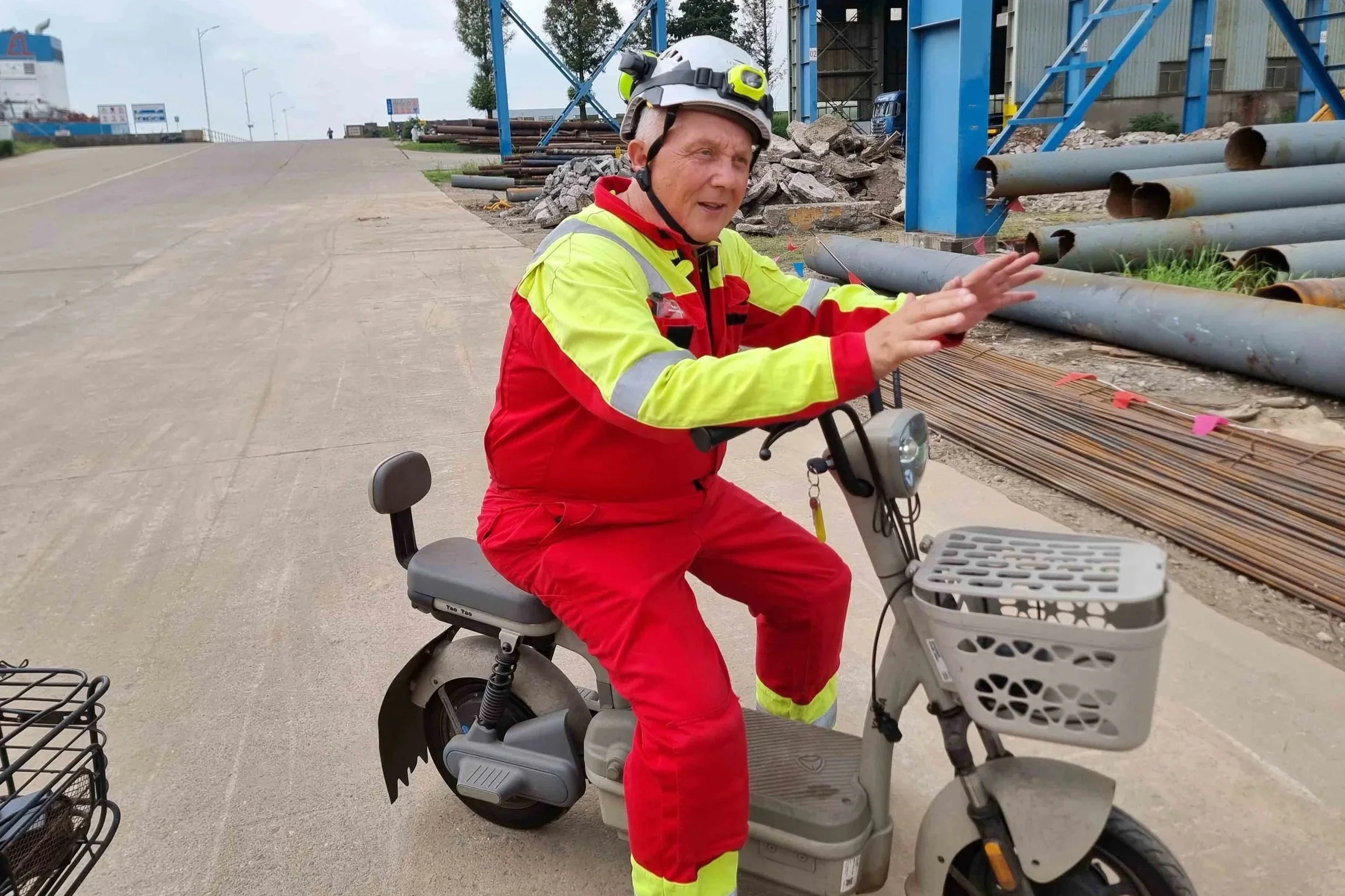
Image: Site Manager during the KCC newbuilding program Leif Harsem
With the delivery of MV Baltazar, KCC's CABU III newbuilding program is now complete. For Site Manager Leif Harsem, it marks the end of more than two years at New Yangzi Shipbuilding in China, where he oversaw the construction of three highly specialized combination carriers from first steel cutting to final delivery.
We caught up with Leif to hear more about his experience as KCC's "man at the yard".
Building quality from day one
As Leif puts it, one of the most important factors behind a successful newbuilding project is good preparation.
The KCC site team arrived at the yard almost four months before steel cutting began, with the time spent visiting equipment suppliers and subcontractors, building relationships, and establishing clear expectations around quality before construction started.
"Those visits are important because they help you understand how people work and what challenges they face," he says. "At the same time, they allow us to explain what standards we expect throughout the project."
Once construction began, much of the team's work revolved around inspections. Every day, supervisors reviewed inspection requests covering everything from machinery and electrical systems to coatings, outfitting, and structural work.
Maintaining the standard
Asked about a challenge that required early intervention to prevent later difficulties, Leif points to surface preparation and coating work on Balder, the first of the newbuilds.
"We know from experience that the coating standard established during construction follows the vessel for its entire operational life," he says. "If the surface preparation isn't right from the start, the vessel will always struggle."
According to Leif, the level of focus and commitment KCC brought to coating inspections was impressive to the yard. Rather than relying on a single paint inspector, KCC had a team dedicated to following up the work in detail.
"It took a lot of meetings and constructive discussions to reach a common understanding, but it was important for us not to compromise and to lift the quality that one step further.”
Looking back, he believes those decisions will pay off long after the vessels leave the yard in the form of lower maintenance requirements, and vessels that remain in better condition throughout their service life.
For KCC, the example reflects a mindset that ran throughout the project. For the site team, quality was not simply about meeting a specification or passing an inspection. It was about craftsmanship and taking the time to get things right from day one so the vessels can perform as intended throughout their operational lives.
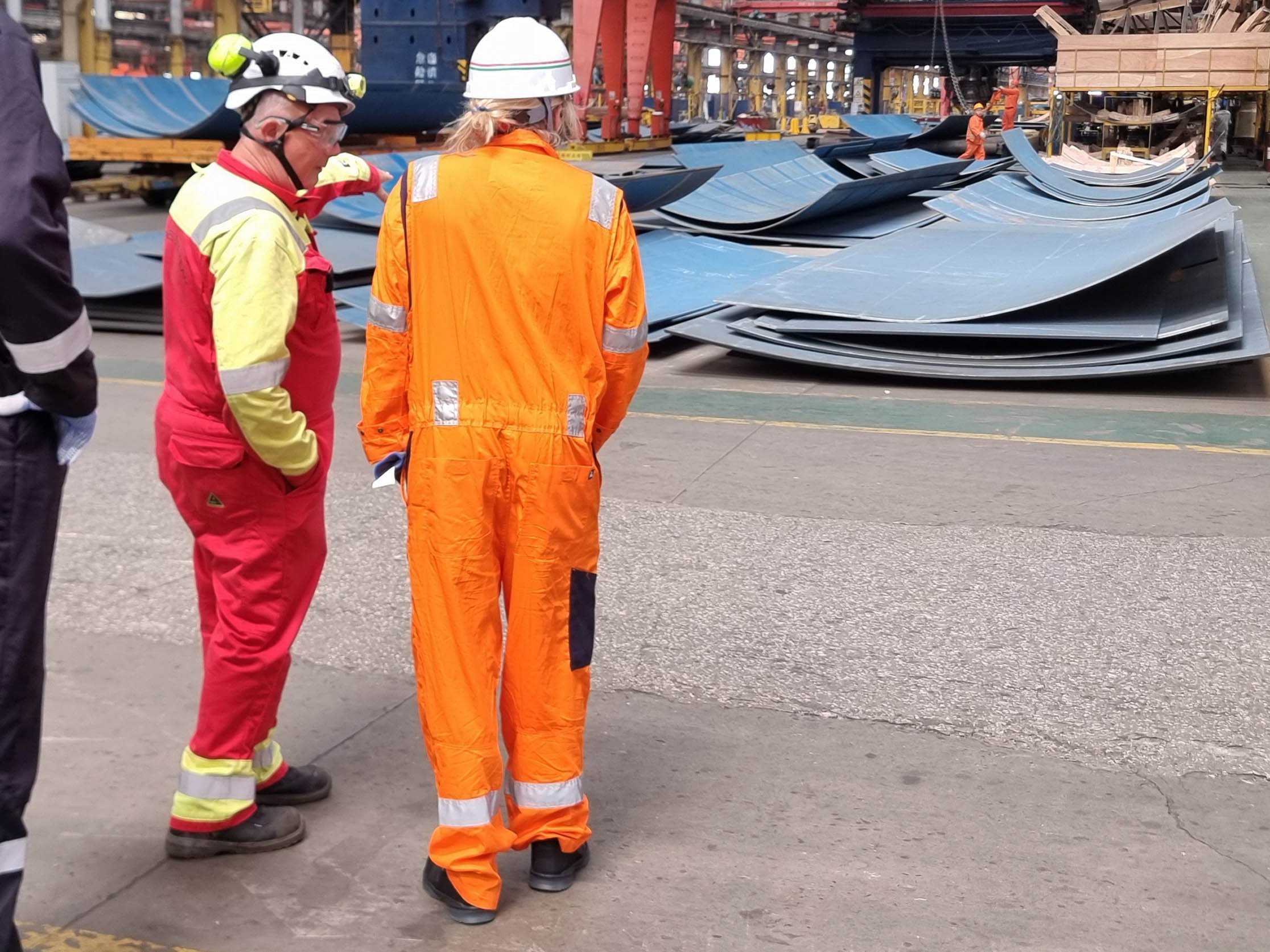
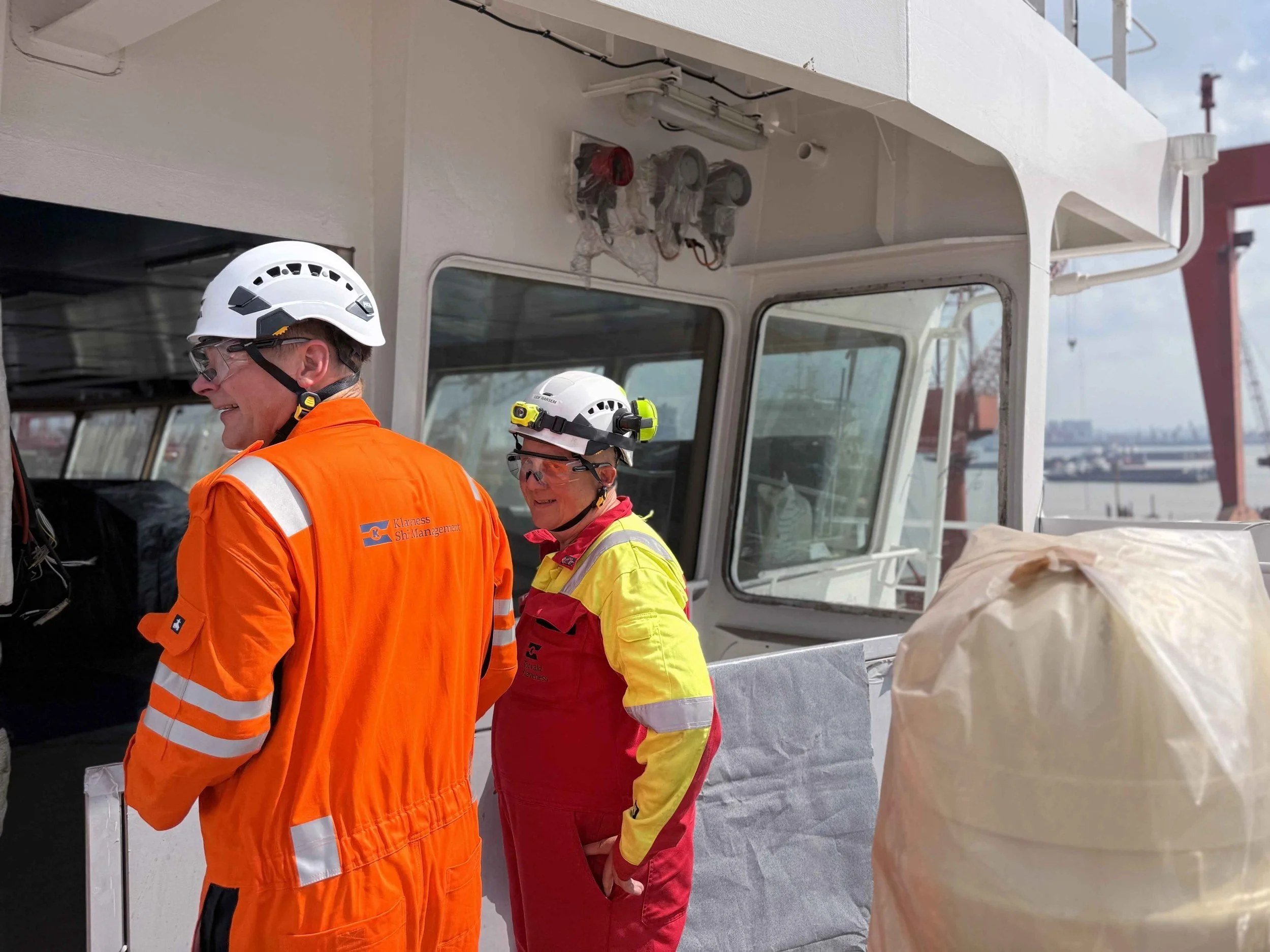
Images: Leif shows Oslo-based personnel around the yard during construction
A special kind of vessel needs a special kind of team
The unique nature of the combination carriers brings its own challenges compared with conventional bulk carriers or tankers.
"These vessels have specialized systems and structural solutions that require close attention," says Leif. "Experience helps because you know where to focus your efforts."
He also credits much of the project's success to the site team itself, which brought together specialists with extensive experience in coatings, hull construction, machinery, electrical systems, and combination carriers.
"You need technical expertise, but equally important is finding people who work well together. We were fortunate to have a very capable team."
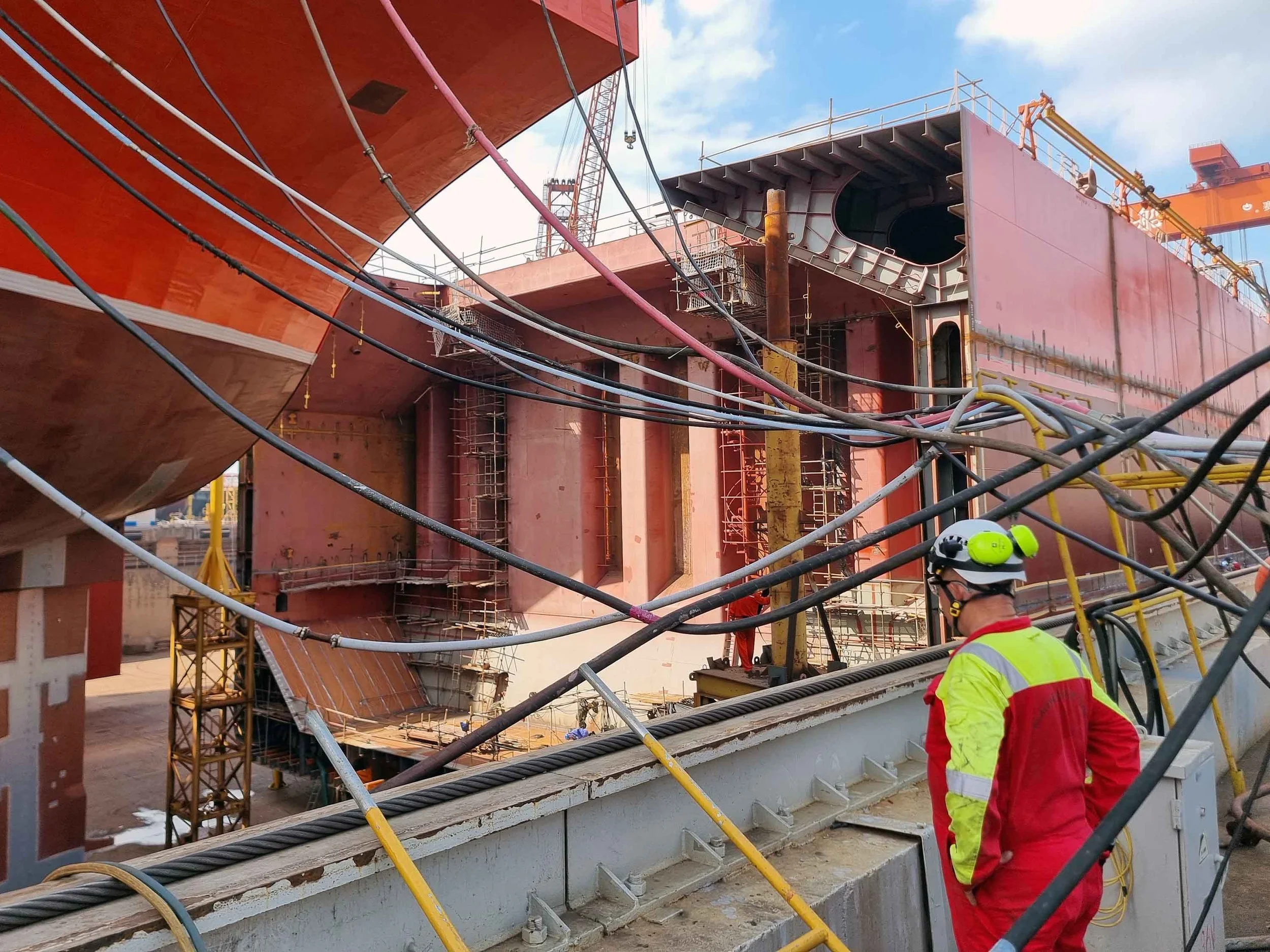
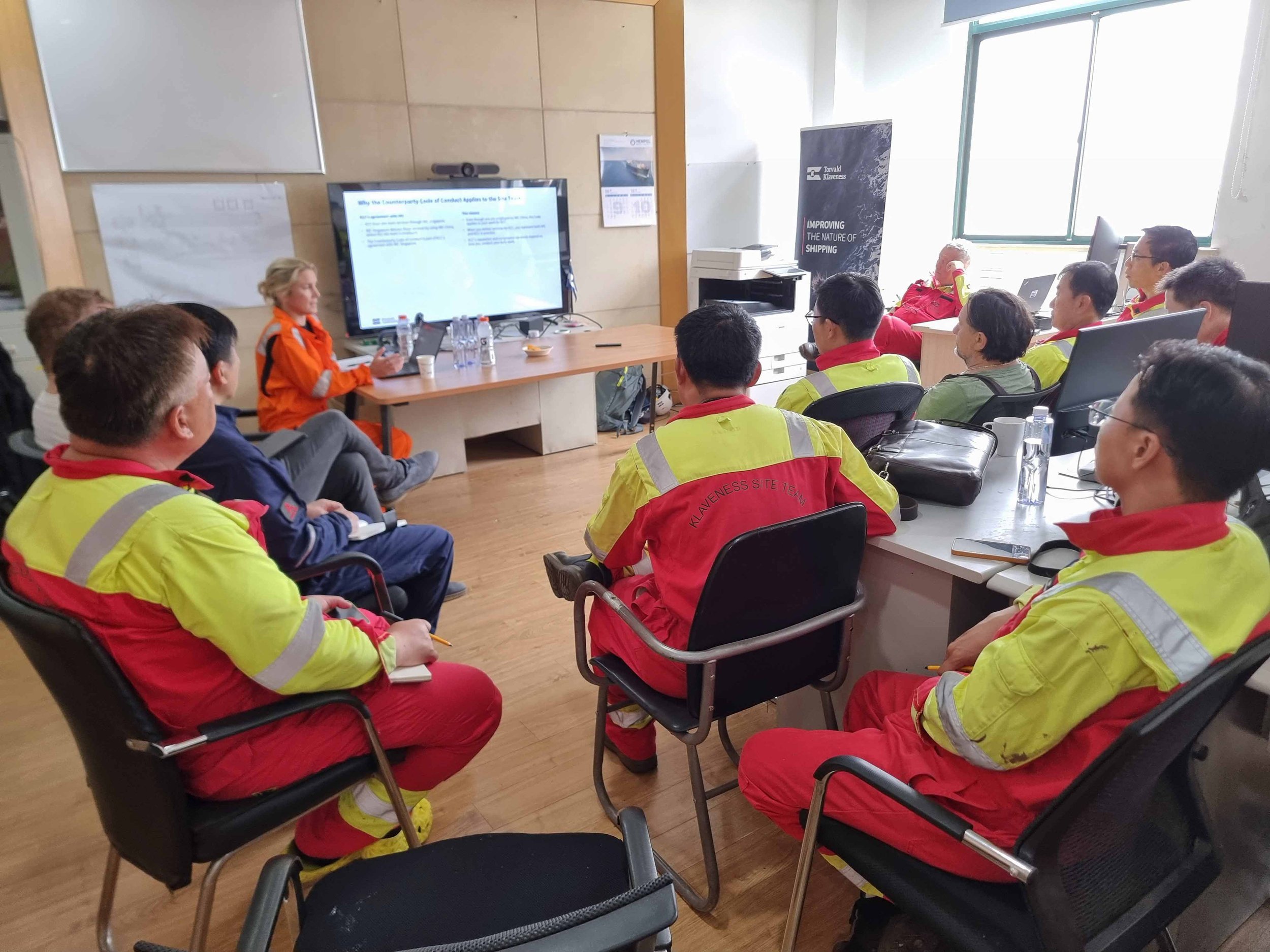
Images: Leif oversees construction at the yard and participates in compliance training for the site team
Final reflections
Over the course of the project, Leif says he experienced many proud moments: steel cutting, keel laying, naming ceremonies and sea trials just to name a few. Completing the project without injuries to any site team members stands out as another achievement.
But asked about one moment stands above the rest, he says: "The delivery of Baltazar was probably the proudest moment. That was when I knew we had completed the project. Three vessels delivered within the timelines set years earlier, and with the quality we had worked so hard to achieve."
Alongside the pride came the reality of saying goodbye to colleagues who had become close friends and to the people and places that had become part of everyday life in Jiangyin. After 25 years working on newbuilding projects across seven countries, Leif says the feeling is always the same.
"You would think you get used to it. But you don't. Every project is different, every team is different, and every time you say goodbye to people who have become friends."
Leif now looks forward to the official naming ceremony in Freemantle, Australia in September 2026 and while the completion of the CABU III program was one of his proudest newbuild projects, he hopes it won’t be his last!