
Klaveness Combination Carriers ASA (“KCC”) takes delivery of second third-generation CABU vessel MV Bastion
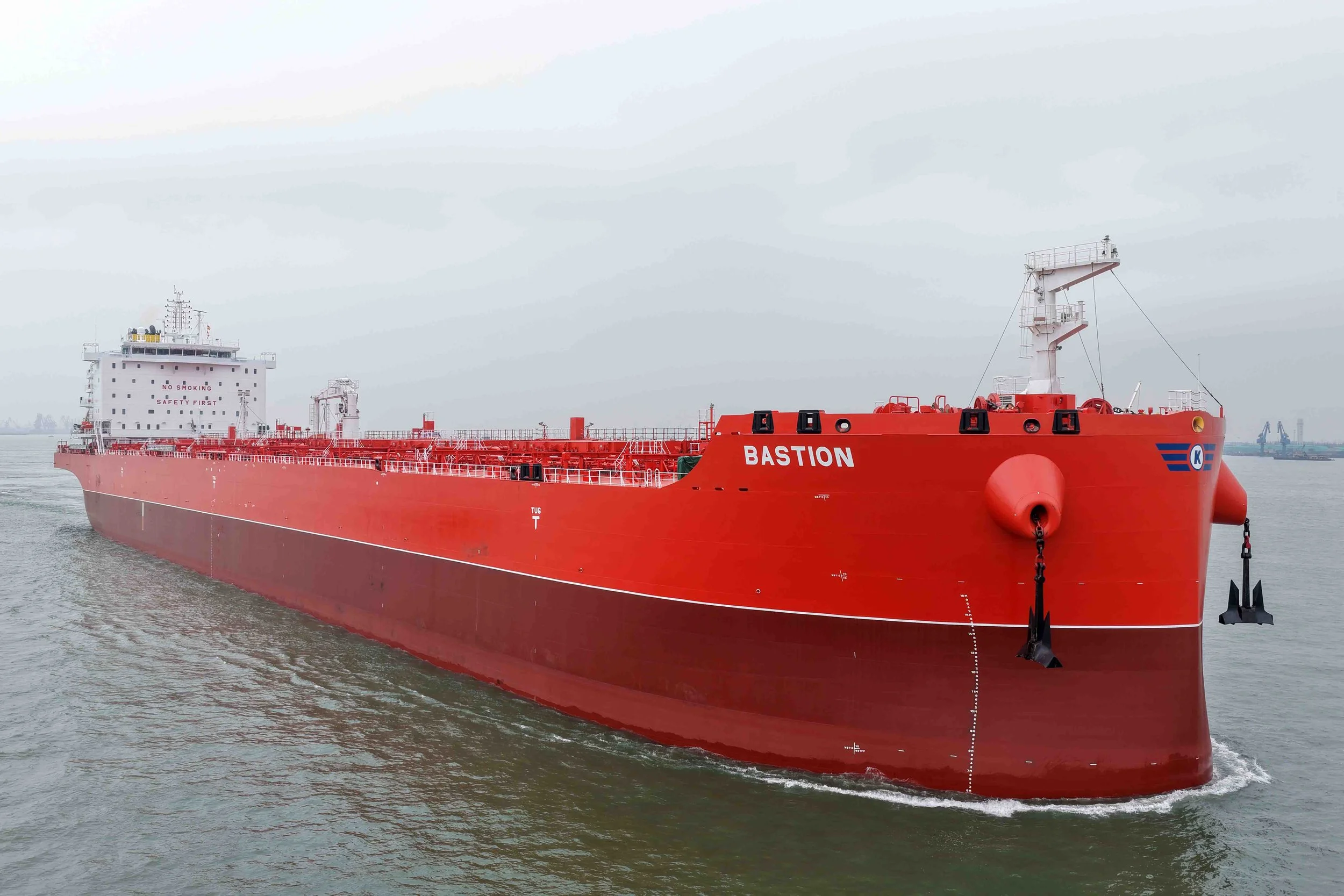
Image: MV Bastion, the second of KCC’s “CABU III” newbuilds
Oslo, 9 April 2026: Klaveness Combination Carriers ASA (“KCC”) today took delivery of MV Bastion, the second of three contracted third-generation CABU vessels, from New Yangzi Shipyard in China.
Following the delivery of MV Balder earlier in 2026, the addition of MV Bastion marks continued progress in the rollout of KCC’s third-generation CABU fleet. Designed for trades with caustic soda solution to Australia and returning with dry bulk commodities, the vessels offer around 20% lower carbon footprint and approximately 20% higher earnings capacity than the first-generation CABU vessels they will ultimately replace.
Like her sister vessel, MV Bastion hosts a range of energy efficiency measures including an air lubrication system, a shaft generator, an EcoEGR fuel-optimized main engine, and a Mewis duct. The vessel is also, to the extent possible, prepared for future retrofitting to enable the use of zero or near-zero (ZNZ) emission fuels, and are prepared for shore power.
With the delivery of MV Bastion, KCC now operates a fleet of 18 combination carriers.
About Klaveness Combination Carriers ASA:
KCC is the world leader in combination carriers, owning and operating ten CABU and eight CLEANBU combination carriers with one CABU vessel under construction for delivery in 2026. KCC’s combination carriers are built for transportation of both wet and dry bulk cargoes, being operated in trades where the vessels efficiently combine dry and wet cargoes with minimum ballast. Through their high utilization and trading efficiency, the vessels emit up to 40% less CO2 per transported ton compared to standard tanker and dry bulk vessels in current and targeted combination trading patterns.